See A Fellowship-Trained Orthopedic Specialist For A Consultation Today!

See A Fellowship-Trained Orthopedic Specialist For A Consultation Today!

See A Fellowship-Trained Orthopedic Specialist For A Consultation Today!

Schedule an appointment with Dr. Nielsen today!

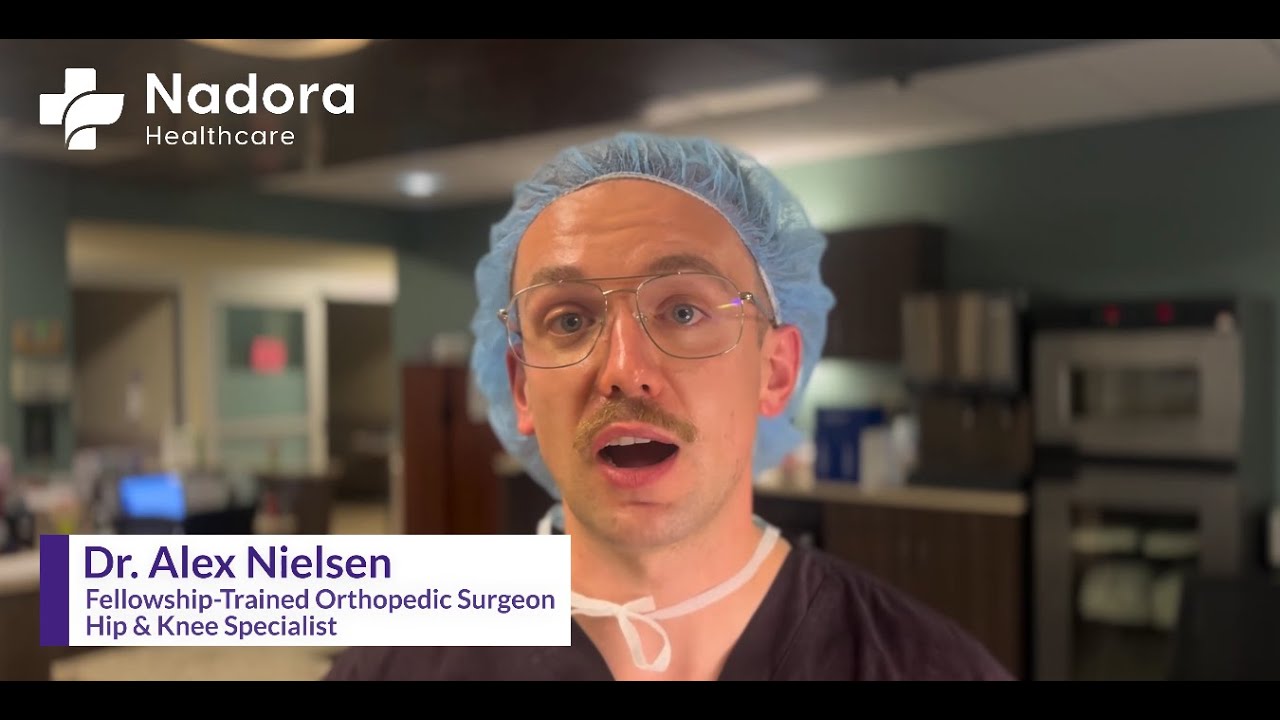
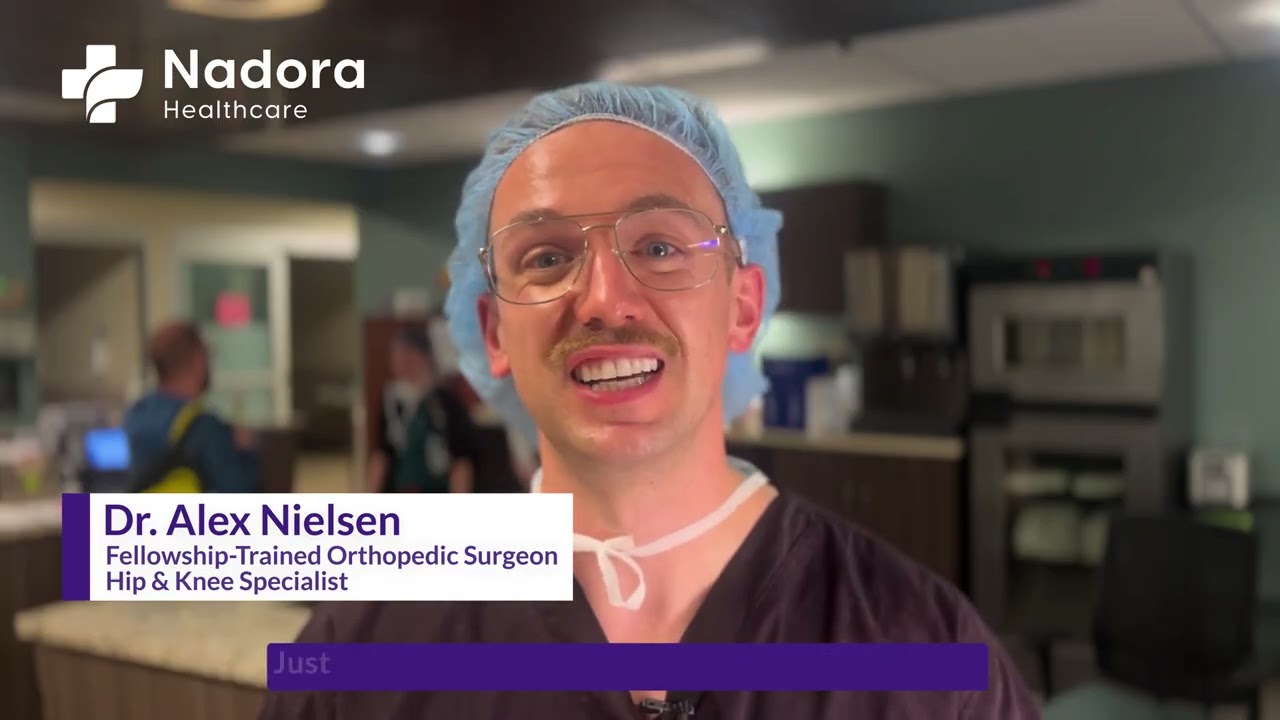
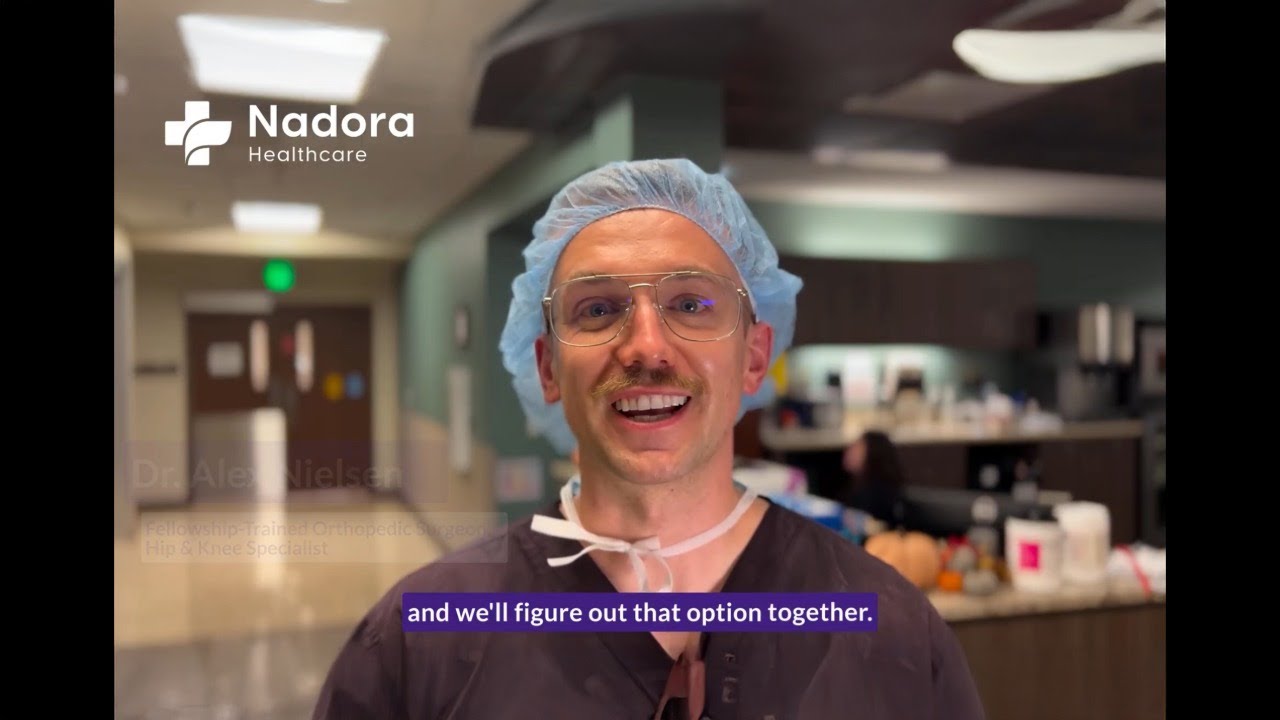
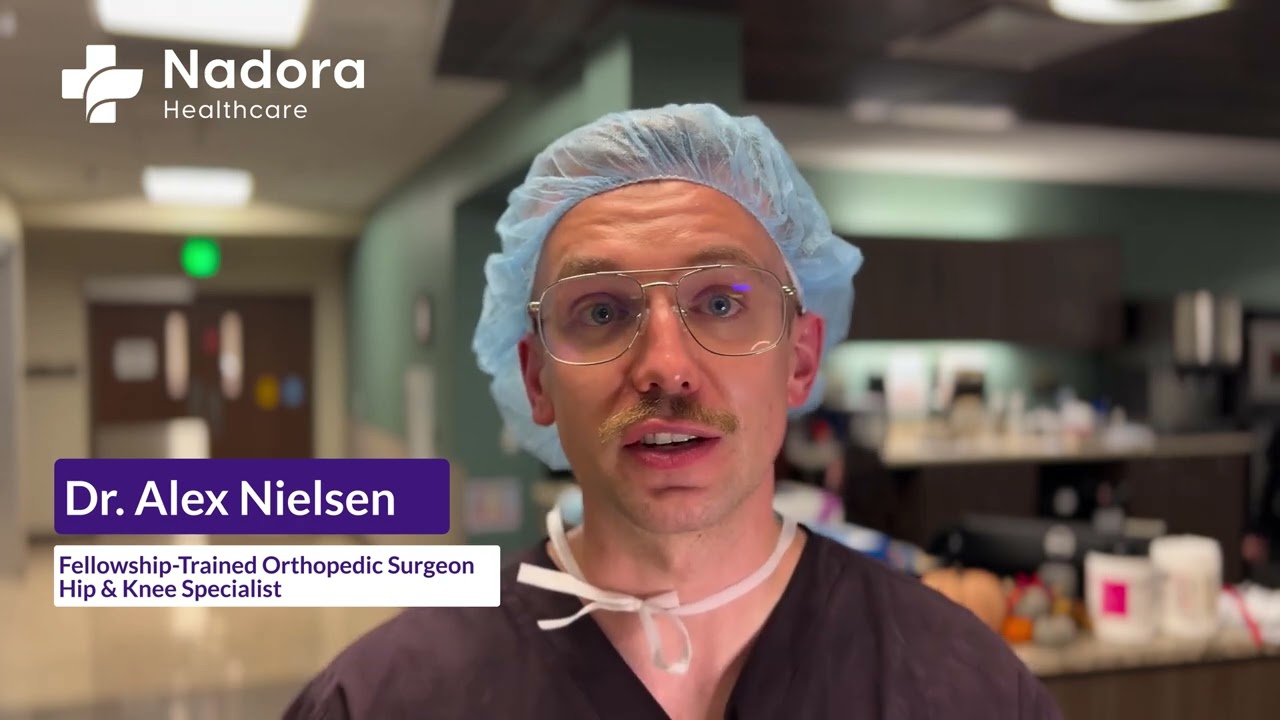
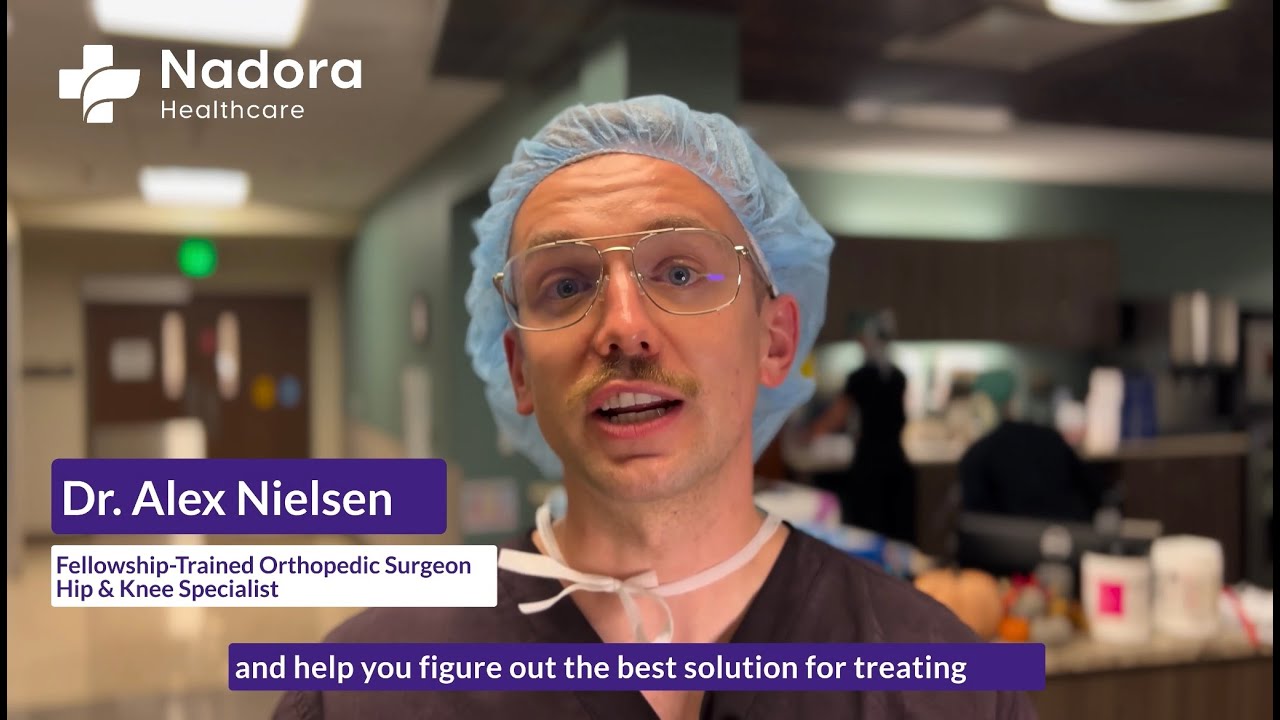
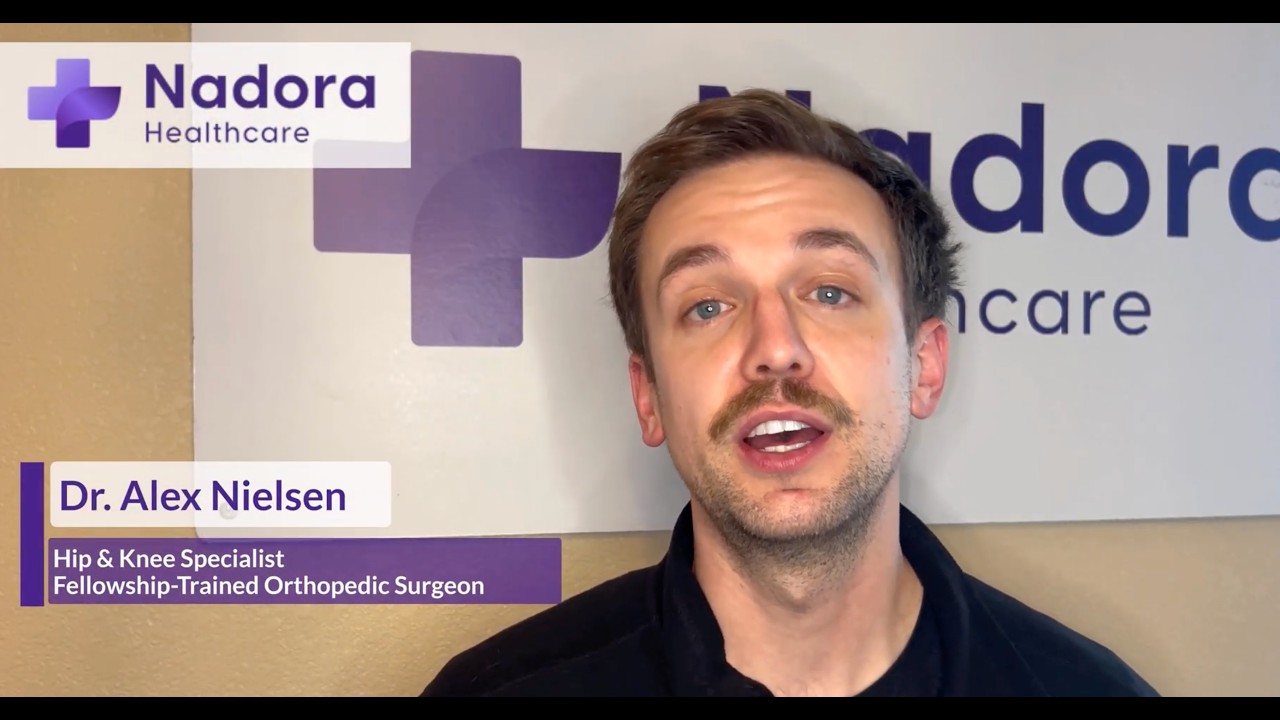
Dr. Nielsen is a fellowship-trained orthopedic surgeon specializing in adult reconstructive surgery. Fellowship-trained in hip & knee surgery, he has advanced expertise in knee & hip replacement surgery & multiple types of knee & lower extremity related injuries. Such as ACL repair, meniscus injuries and knee ligament repair. He is committed to providing the most innovative, evidence-based treatments to restore stability, strength, and performance after knee injuries. Dr. Nielsen combines precision surgical techniques with personalized rehabilitation plans to help patients return to their active lifestyles as quickly and safely as possible.

We are in-network with most commercial insurance plans, as well as Medicare and Medicare Advantage plans.

Schedule an appointment with Dr. Nielsen today!

SCHEDULE APPOINTMENT

Spine Center of Excellence

Fill Out The Form To Get An Appointment Immediately!

Dr. Nielsen is a fellowship-trained orthopedic surgeon specializing in adult reconstructive surgery. Fellowship-trained in hip & knee surgery, he has advanced expertise in hip & knee reconstruction.

A world-class orthopedic surgeon, Dr. Nielsen is highly specialized in hip & knee injury repair & reconstruction. This means if you need anything from an ACL reconstruction, torn meniscus repair, and sports-related knee injuries, Dr. Nielsen is the surgeon you can trust. We specialize in all aspects of knee related pain to ensure you receive the most advanced treatment tailored to your unique needs.

Hip & Knee Specialist

World-Class orthopedic specialists to guide you on your path to recovery.

Supporting Patient Involvement

If a surgery is necessary, Dr. Nielsen will recommend the best approach—whether a proven traditional technique or the latest advanced technology—based on your individual needs and goals.

Types Of Care We Are Experts In

Hand

Tendon release, also known as tenotomy, is a surgical procedure that involves cutting through or disconnecting a tendon to allow for a greater range of movement. The procedure is used to relieve tight or shortened muscles. In some cases, the tendon is re-routed to maintain muscle function.

Hand and finger fixation is a surgical procedure that realigns and holds broken bones in the hand in place while they heal. The procedure can be performed using pins, screws, wires, rods, splints, and casts. The method used depends on the type and location of the break.

A hand fracture is a break in one or more of the bones in the hand, including the long metacarpal bones or the small phalanges in the fingers. Hand fractures can occur due to a number of reasons, including: Falls, Sports injuries, Crush injuries, and Motor vehicle crashes.

Hand nerve repair is a microsurgical procedure that reconnects severed or broken nerves in the hand or fingers. The goal of the surgery is to restore sensation and movement in the hand and fingers

Minimally invasive hand and wrist surgery refers to treatment of bone and soft tissue injuries without the need for traditional open incisions. Instead, with the aid of various tools and techniques, the orthopedic hand surgeon is able to visualize and repair the affected area through one or more small incisions or portals in the skin. Benefits of this approach include reduced risk of injury to surrounding healthy soft tissues, a speedier recovery, and minimized scarring.

Cyst aspiration and cyst lesion mass excision are procedures that can be used to treat cysts and masses, which are soft tissue masses that can appear under the skin.

Arthroscopic hand surgery is a minimally invasive surgical procedure that uses a small camera and surgical tools to examine and repair the tissues inside or around the hand or wrist.

Ultrasound for fracture healing is a non-invasive treatment that uses low-intensity pulsed ultrasound (LIPUS) to help bones heal faster.

A hand skin graft is a surgical procedure that replaces damaged or missing skin on the hand with healthy skin from another part of the body. Skin grafts are typically performed when other treatments are not effective, and can be used to treat a variety of conditions.

Hand reconstruction, also known as reconstructive hand surgery, is a specialized procedure that aims to restore the function and appearance of the hand. It can be performed to treat a variety of conditions.

A hand tendon transfer is a surgical procedure that moves a healthy tendon from one part of the body to a different location to restore hand function. It’s used to treat conditions that cause muscle or tendon damage.

Hand joint replacement, also known as arthroplasty, is a surgical procedure that replaces a damaged joint in the hand with an artificial joint. The procedure is often performed on the knuckles and joints at the base of the hand.

Wrist

Ultrasound-guided injections are a common treatment for wrist arthritis that can help relieve pain and inflammation, and improve mobility. They are often used to treat osteoarthritis, tendinitis, labral tears, and more.

Wrist denervation is a surgical procedure that can help with chronic wrist pain by cutting sensory nerves in the wrist and hand. It can be used to treat a variety of conditions

Wrist fusion, also known as wrist arthrodesis, is a surgical procedure that joins the bones of the wrist together to treat pain and restore functionality. It’s typically performed when other treatments have failed, and can be used to treat conditions such as: advanced wrist arthritis, post-fracture complications, and severe ligament injuries

Wrist arthroscopic debridement is a minimally invasive procedure that allows a doctor to see inside the wrist joint and remove debris and irritants to reduce pain and inflammation. It’s often used to treat conditions like arthritis or instability of the wrist.

Arthroscopic-assisted triangular fibrocartilage complex (TFCC) repair is a minimally invasive surgical technique that can restore stability to the distal radioulnar joint (DRUJ) of the wrist. It’s used to treat TFCC injuries that cause pain on the ulnar side of the wrist, and can include: Mild-to-moderate DRUJ instability, Severe DRUJ instability, Positive ulnar-sided TFCC detachment, and Repairable TFCC tears

Treatment for wrist instability depends on the cause, severity, and the patient’s overall health. Common treatments include:

  • Immobilization
  • Medication
  • Exercise
  • Corticosteroid Injections
  • Surgery
  • Hand Therapy
  • Activity Modification
  • Splinting

Carpal tunnel release surgery is a procedure that treats carpal tunnel syndrome, which is pain and weakness in the hand caused by pressure on the median nerve in the wrist. During the surgery, a surgeon cuts through the carpal ligament that covers the carpal tunnel, creating more room for the median nerve and tendons to pass through. This usually improves pain and function.

Elbow

Minimally invasive ulnar nerve decompression is a surgical procedure that treats cubital tunnel syndrome, a condition that occurs when the ulnar nerve is compressed in the elbow. There are a few minimally invasive techniques for ulnar nerve decompression, including:

  • Endoscopic cubital tunnel release (ECuTR)
  • In Situ Release

Elbow replacement surgery, also known as total elbow arthroplasty, is a procedure that replaces the elbow joint with an artificial joint to treat pain and restore movement. The surgery can involve replacing the entire joint or just part of it, such as the head of the radius bone.

Ultrasound-guided injections can help treat tennis elbow and golfer’s elbow by reducing pain and inflammation. There are several types of injections that can be used, including:

  • Corticosteroid Injections
  • Hyaluronic Acid Injections
  • Platelet-Rich Plasma (PRP) Injections

Ultrasound-guided injections are more accurate and effective at reducing pain than other types of injections.

Arthroscopy-assisted internal fixation finds and cures pathology that would otherwise cause chronic problems. Arthroscopy-assisted internal fixation has a smaller complication risk and more insight into a patient’s injury severity.

Arthroscopic debridement is a minimally invasive outpatient procedure that can treat tennis elbow and golfer’s elbow.

Arthroscopic debridement is a preferred treatment option because it’s less invasive than traditional surgery and results in a faster and smoother recovery. However, some studies suggest that conservative care, such as rehabilitation, can lead to complete recovery in most cases.

Ultrasound-guided elbow joint injections are a safer and more accurate way to inject the elbow than other methods. They use ultrasound technology to visualize the injection site in real time, allowing the injection to be delivered directly to the desired area. This method is especially useful for treating conditions like lateral epicondylitis, a common elbow disorder.

Arthroscopic capsular arthroplasty of the elbow, also known as arthroscopic osteocapsular arthroplasty (AOA), is a minimally invasive surgical procedure that treats elbow osteoarthritis..

Arthroscopic and open debridement are both surgical procedures that can be used to treat joint issues, but they differ in their approach and the circumstances in which they are used:

  • Arthroscopic Debridement: A minimally invasive procedure that removes damaged cartilage or tissue from a joint using surgical tweezers and a wash to remove debris. It’s often used to treat arthritis, instability, or other joint issues in the knee, wrist, hip, or ankle. Arthroscopic debridement is a good option when the lesion is small and accessible from the joint side.
  • Open Debridement: An open incision is made to debride the area. One study found that open debridement was more successful than arthroscopic debridement for treating infected total knee arthroplasty. Another study found that more patients were pain free after open debridement for lateral epicondylitis than after arthroscopic debridement.

Interpositional arthroplasty is a surgical procedure that involves replacing a joint’s articular surfaces with a soft tissue or synthetic material. It can be used to treat a number of conditions, such as elbow arthritis.

Radial head replacement is a surgical procedure that replaces the radial head of the elbow with an artificial implant. The radial head is the bulbous end of the radius bone where it meets the elbow. It’s a key part of the elbow that allows it to bend, straighten, and rotate the forearm.

A radial head replacement is performed when the radial head is damaged or fractured, and other treatments aren’t suitable or effective. This can be the case for multiple or severe fractures, or when the elbow joint is dislocated. The goal of the surgery is to reduce elbow instability and pain, and restore the elbow’s full range of motion.

Distal humerus fracture fixation is a surgical procedure that uses screws, plates, wires, rods, and pins to secure a fractured distal humerus bone in place. The distal humerus is the lower end of the upper arm bone that forms the upper part of the elbow.

Terrible triad fracture fixation is a surgical procedure to treat a fracture-dislocation of the elbow that includes a radial head fracture, coronoid process fracture, and elbow dislocation. The goal of the surgery is to stabilize the elbow and allow for early movement.

The terrible triad is considered a difficult injury to manage because of its instability and high complication rates. Without surgery, the elbow may remain unstable, leading to pain, loss of arm function, and other complications.

Anatomic radial head arthroplasty (RHA) is a surgical procedure that uses a prosthetic implant to replace the radial head and restore elbow function or stability. It’s often performed to treat radial head fractures that are irreparable or have associated instability in the elbow or forearm.

Ulna fracture fixation is a surgical procedure that restores the length of the ulna bone and stabilizes a fractured ulna. The type of fixation depends on the type and complexity of the fracture, and the bones involved.

Elbow therapy protocols are designed to help patients with elbow injuries or conditions by improving mobility, strength, and alignment, and restoring function. Protocols can vary depending on the type of injury or surgery, but some common components include:

  • Rest, Ice, Compression, & Elevation (RICE)
  • Non-Steroidal Anti-Inflammatory Drugs (NSAIDs)
  • Removable Splints
  • Dynamic Articulated Braces
  • Stretching & Strengthening Exercises
  • Custom Elbow Orthotic

Shoulder

Anatomic total shoulder arthroplasty is a surgical procedure that replaces the worn cartilage surfaces of the shoulder joint with metal and plastic implants to improve function and relieve pain. It’s considered the gold standard for patients with an intact rotator cuff and glenoid bone, and it’s associated with low complication rates and high patient satisfaction

A conventional shoulder replacement device mimics the normal anatomy of the shoulder: A plastic cup is fitted into the shoulder socket (glenoid), and a metal ball is attached to the top of the upper arm bone (humerus). In a reverse total shoulder replacement, the socket and metal ball are switched.

Anatomic and reverse total shoulder replacements are both surgical procedures that replace the shoulder joint’s damaged surfaces with prosthetic components. The main difference between the two is the placement of the implants.

Rotator cuff repair is surgery to repair a torn tendon in the shoulder. The procedure can be done with a large (open) incision or with shoulder arthroscopy, which uses smaller incisions. The three most common techniques are:

  • Open Repair
  • Arthroscopy
  • Mini-Open Repair

Arthroscopic suprapectoral biceps tenodesis (ABT) is a surgical procedure that treats issues with the long head of the biceps tendon (LHBT) and superior labrum anterior to posterior (SLAP) tears. It’s an all-arthroscopic procedure that involves suturing the end of a tendon to a bone.

Shoulder arthroscopic subacromioplasty, also known as subacromial decompression, is a minimally invasive surgical procedure that treats shoulder pain and impingement.

Shoulder fracture surgery is a procedure that realigns and stabilizes broken shoulder bones to help them heal and restore range of motion. Surgery is usually necessary if the bones are displaced or the fracture is open.

Surgery for frozen shoulder is usually performed when non-surgical treatments are not effective. The two most common surgical options are manipulation under anesthesia and shoulder arthroscopy.

Acromioclavicular (AC) joint surgery is a procedure to stabilize an injured AC joint by realigning the collarbone and shoulder blade. The type of surgery depends on the severity of the injury and can include:

  • Arthroscopic Repair
  • Open Operation
  • Reconstruction

And much more!

Why Choose Nadora Healthcare?

Leaders In Medicine

Nadora Healthcare orthopaedic surgeons have specialty training and are leaders in their field and are constantly staying up to date in their fields.

World Class Training

Our physicians have proven the highest level of dedication to their field's and achieved the highest level of training.

Center of Excellence

We are the only surgery center designated a Spine Center of Excellence in the State Of Colorado.

Fast Access To Care

Nadora Healthcare is focused on providing fast access to care. You won't wait for months for an appointment.

Dr. Alex Nielsen - Videos

18 Videos

SCHEDULE APPOINTMENT

Spine Center of Excellence

Ready to schedule an appointment?

Please fill in the details and we will get back to you to schedule an appointment with our orthopaedic surgeon as quickly as possible.

Scroll to Top